Marrakech is a destination in its own right and the main gateway to many journeys through southern Morocco. The best visit is selective: understand the medina with a knowledgeable guide, choose a small number of monuments and gardens, then leave room for food, craft and the changing rhythm of the city.
Founded in the Almoravid period, Marrakech developed into a major political, economic and cultural centre. That history is still visible in the medina’s walls, gates, religious landmarks, palace remains, gardens and dense pattern of working neighborhoods. Jemaa el-Fna is one part of this living city, not the whole experience.
The medina can feel intense on arrival. Its busiest commercial lanes, quieter residential derbs, workshops and courtyards sit close together, but they do not serve the same purpose. A good first-day guide should explain that structure, adapt the route to your interests and respect a clear request to avoid unwanted shopping stops.
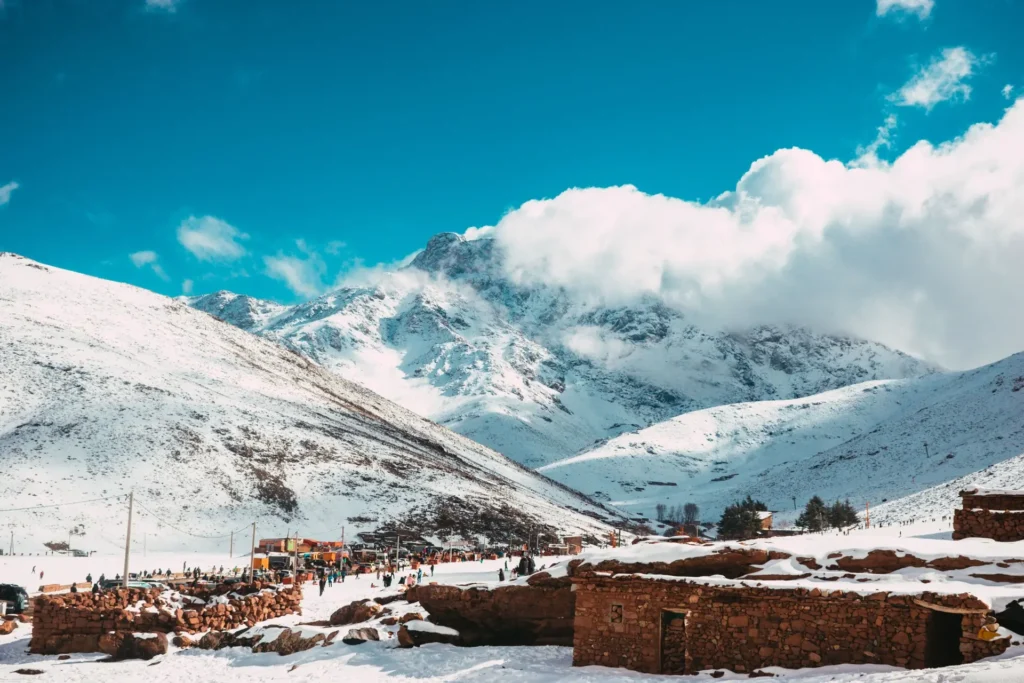
Marrakech is also a route decision point. The High Atlas can work as a day trip or overnight stay; Essaouira deserves at least one night when possible; and the true Sahara requires a multi-day journey through mountain passes, kasbah country and the southern valleys.
Make the visit count
Best things to do in Marrakech.
01
Understand the medina, not only the souks
Begin with a focused walk through historic streets, public spaces, architecture and active craft areas. Agree in advance whether you want markets, monuments, food, photography or a slower introduction to neighborhood life.
02
Choose heritage sites with intention
Pair one or two important monuments with a garden, museum or quiet courtyard instead of rushing between every famous address. Opening hours, prayer times and reservation systems should be checked for your travel dates.
03
Explore Marrakech through food
Look beyond one evening in Jemaa el-Fna. A market visit, neighborhood meal or small cooking experience can explain tanjia, preserved ingredients, breads, spices and the difference between home cooking and visitor menus.
04
Use Marrakech as a realistic gateway
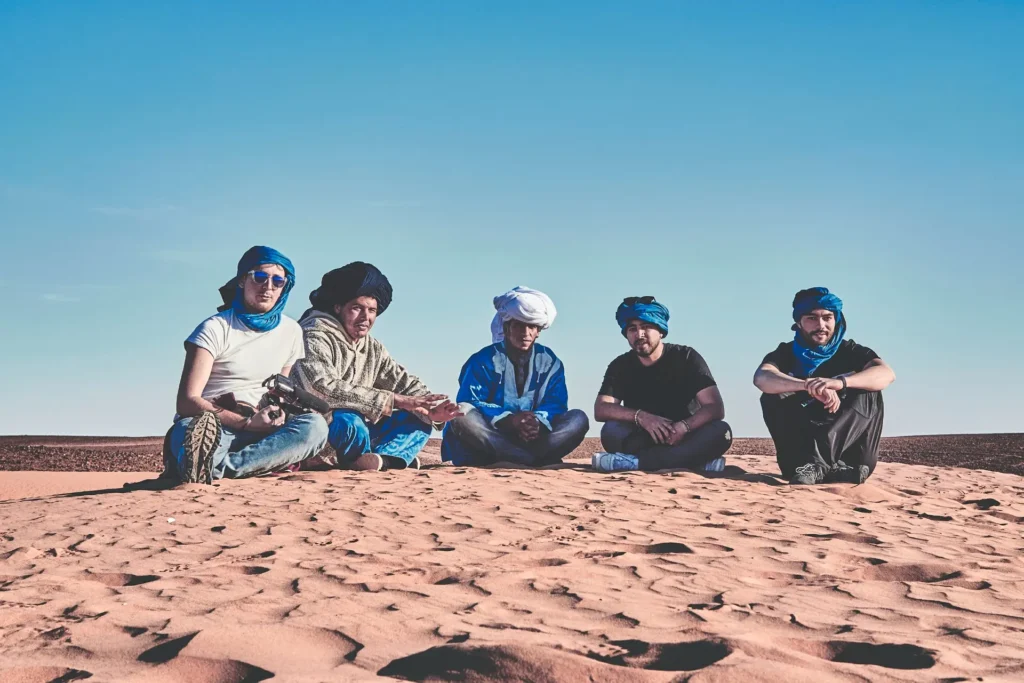
Choose one direction at a time: the Atlas for valleys and village life, Essaouira for the Atlantic, or a minimum four-day route for Erg Chegaga or Erg Chebbi. A private itinerary should protect time in the places between, not treat them as fuel stops.
Weather and timing
Choose the season around the experience.
October–November
Warm days generally suit medina walks, terraces and Atlas departures. This is a popular period, so well-located riads and experienced guides should be arranged early.
December–February
Daylight can be mild and clear, while mornings, nights and shaded riad interiors feel cold. Confirm room heating and carry layers, especially when combining the city with the Atlas or Sahara.
March–May
Spring brings warm conditions and strong demand. Plan exposed visits earlier in the day as temperatures rise, and keep some flexibility around holiday periods and busy attractions.
June–September
Summer heat changes the useful shape of the day. Early starts, a shaded midday pause and a carefully located hotel or riad are more important than adding extra sightseeing.
Build a realistic route
How to include this destination.
Route fit
Route fit
Give Marrakech at least three nights when it is your arrival city: one day for an informed medina introduction, one for selected gardens, food or craft, and one for a slower choice or nearby excursion. For the Sahara, continue across the High Atlas toward Aït Ben Haddou and Ouarzazate rather than attempting an overnight dash. Keep a final Marrakech night before an international departure after a long desert return.
Accommodation
Accommodation
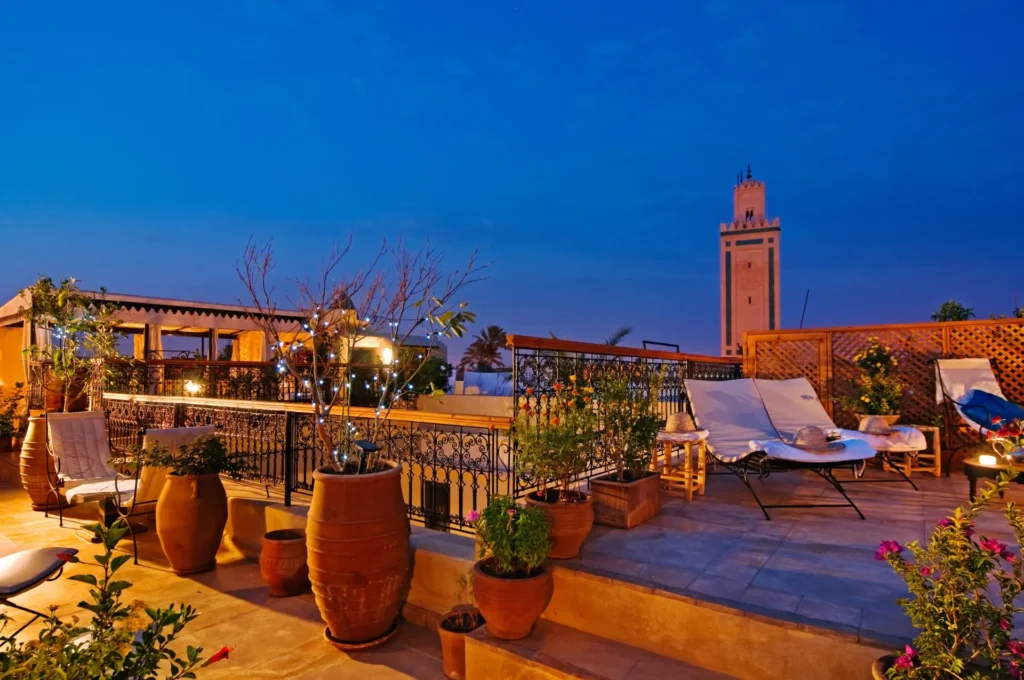
Choose by access and travel style, not by the word ‘riad’ alone. A medina stay offers courtyards and atmosphere but may involve pedestrian lanes, stairs and luggage porterage. Kasbah and Mellah areas can simplify some monument visits; Gueliz and Hivernage offer easier vehicle access and more modern services. Confirm the exact drop-off point, walking distance, heating or air-conditioning, lift or stair access, pool season and family room setup before booking.
Travel well
Practical local advice
Tell a guide clearly whether shopping is welcome, limited or not wanted.
Use the accommodation’s confirmed map pin and meeting point; similarly named riads can be difficult to distinguish inside the medina.
Ask before photographing people, workshops or market stalls, and accept a refusal without negotiation.
Build a shaded pause into hot afternoons rather than compressing the same itinerary into uncomfortable hours.
Do not schedule a flight soon after a same-day return from the Sahara or a winter Atlas crossing.
Three nights is a useful minimum for most first visits. Four nights allow two unhurried city days plus food, gardens or one nearby excursion without making every day feel scheduled.
Where should I stay: the medina or the modern city?
Choose the medina for pedestrian atmosphere and riad life; choose Gueliz or Hivernage for easier vehicle access, lifts and modern hotel facilities. The right answer depends on luggage, mobility, children and how much street activity you enjoy.
Do I need a private guide in Marrakech?
Not for the entire stay. A carefully briefed half- or full-day introduction is useful for history, orientation and craft context, after which many travelers prefer independent time.
Can Marrakech be combined with the Sahara in two or three days?
Not comfortably if you want Erg Chegaga or Erg Chebbi. Four days is a more realistic minimum from Marrakech, and an extra night improves the balance further.
Your Morocco, privately designed
Let the journey begin.
Tell us how you like to travel. We’ll turn it into a route worth remembering.