Travel guide
Best Time to Visit Morocco: A Month-by-Month Guide
Choose when to visit Morocco by matching the season to your route—not by looking for one perfect month. The Atlantic, imperial cities, Atlas Mountains and Sahara can feel completely different during the same week.
The short answer
For a journey combining cities, the south and the Sahara, March–April and October–November usually offer the best balance. Winter is excellent for desert days but brings cold nights and possible mountain disruption. Summer suits the Atlantic and selected mountain areas better than deep-desert travel.
Morocco has several travel seasons
Morocco stretches from Mediterranean and Atlantic coasts across three Atlas ranges to Saharan landscapes. A useful weather decision therefore begins with the places you want to combine. Marrakech heat does not describe Essaouira wind, and a sunny desert afternoon does not describe the temperature after sunset.
Treat national averages as orientation only. Elevation, wind, road conditions and the exact week matter. For routes crossing the High Atlas, keep a little flexibility even when the cities at either end have settled weather.
- Sahara: prioritize tolerable daytime heat and warm layers at night
- Cities: plan walking hours around heat and crowds
- Atlas: consider elevation, rain, snow and daylight
- Coast: expect wind and cooler evenings even in summer
Spring: March to May
Spring is one of the easiest periods for a mixed Morocco itinerary. Medina walking, southern road journeys and lower-elevation hikes can fit comfortably into one route. Demand rises around popular dates, so well-located stays and experienced guides should be confirmed early.
By late May, the south can already feel hot. A spring label is not permission to schedule long exposed walks at midday; daily pacing still needs to follow the conditions.
Summer: June to September
Summer favors the Atlantic coast, later evenings in cities and carefully chosen mountain stays. It is the least forgiving period for long off-road desert days, particularly for young children, older travelers and anyone sensitive to heat.
If summer dates are fixed, reduce exposed activity, start early, protect the midday hours and confirm vehicle air-conditioning and room cooling. Do not add the Sahara simply to complete a checklist.
Autumn: October and November
Autumn is a strong all-round period for private routes from Marrakech through the Draa Valley to the Sahara. Daylight and temperature usually support fuller days without the most intense summer heat.
Later in November, nights become noticeably colder in the desert and mountains. Packing should serve both warm afternoons and cold early mornings.
Winter: December to February
Winter brings comfortable desert walking conditions and often clear light, while nights can be genuinely cold. Marrakech and the coast remain useful, but shaded riads and unheated rooms can feel cooler than visitors expect.
Snow or winter weather may affect high passes and mountain paths. Build a route with alternatives instead of relying on a tightly timed crossing.
Choose dates by experience
Camel trekking and remote camps work best when heat is manageable. Atlas hiking depends on elevation and recent conditions. City-focused travel is possible year-round when sightseeing is moved to the right hours.
The best month is the one that protects the central experience of your trip. Choose that first, then add regions that complement it.
Local planning notes
- Choose the route before choosing the month.
- Ask about the exact camp elevation, heating and bathroom arrangement—not only the comfort label.
- Keep one flexible element when crossing mountain passes in winter.
- Check current conditions shortly before any remote or high-altitude activity.
Questions about timing a Morocco trip
What is the best month for the Sahara?
October, November, March and April often balance daytime comfort and manageable nights, but actual conditions vary.
Is Morocco too hot in summer?
Not everywhere. The Atlantic and some mountain areas remain possible, while deep-desert itineraries need serious reconsideration.
Can I visit Morocco in winter?
Yes. Winter is excellent for the south if you pack for cold nights and keep mountain plans flexible.
When is Morocco least crowded?
Crowd levels vary by city, event and holiday. Shoulder periods can be calmer, but route quality matters more than chasing a supposedly empty month.
Sources and review notes
This guide combines Sahara Explore’s route-planning experience with published national tourism information.
Reviewed by
Sahara Explore local team
Route planners based in M’hamid El Ghizlane, with a focus on realistic southern Morocco and Sahara logistics. Reviewed 11 August 2026.
Use this answer in the route
Use the season guide to narrow the route.
Related destinations
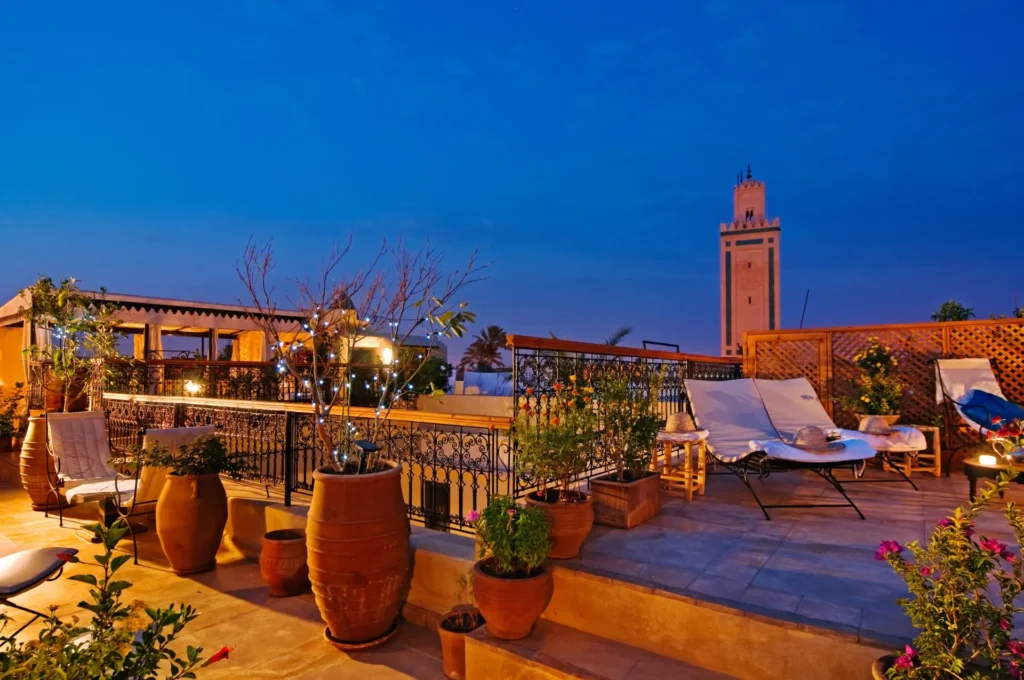
The red city
Courtyards, gardens, artisans and culinary energy behind ochre walls.
Central Morocco
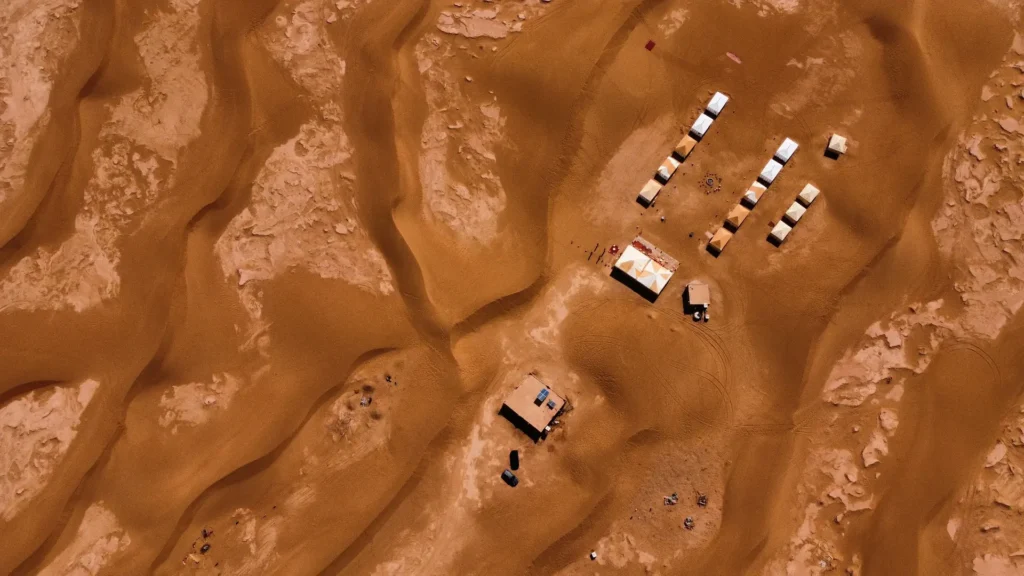
The far Sahara
Vast, untamed dunes reached only by 4×4—the Sahara at its most elemental.
Best October–April
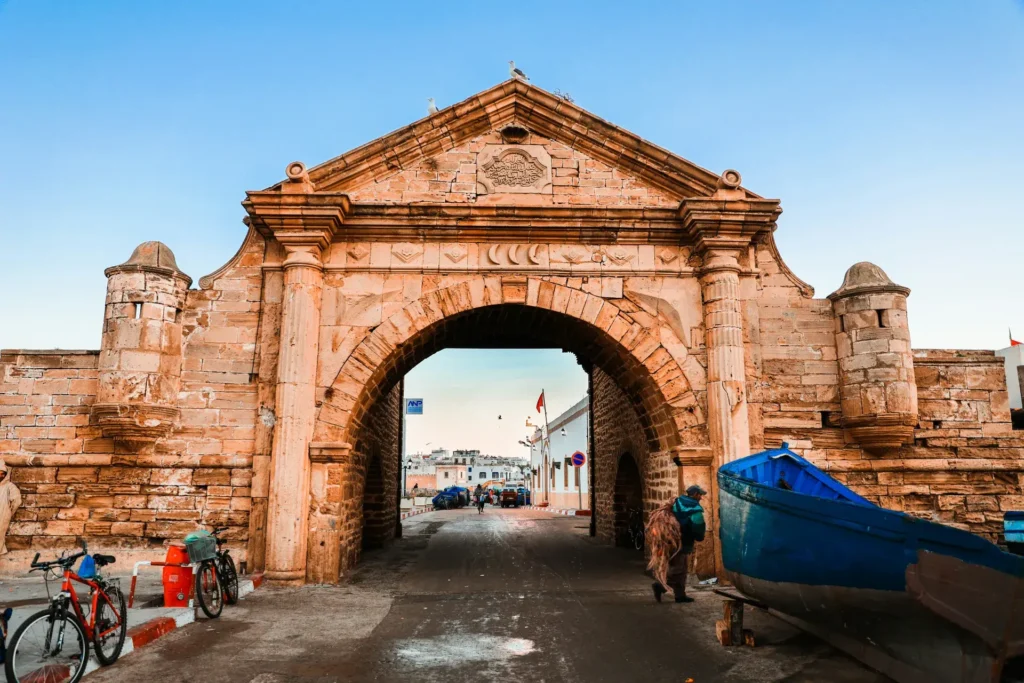
Atlantic calm
Salt air, blue boats, ramparts and an easy creative spirit by the ocean.
Year-round
Recommended experiences
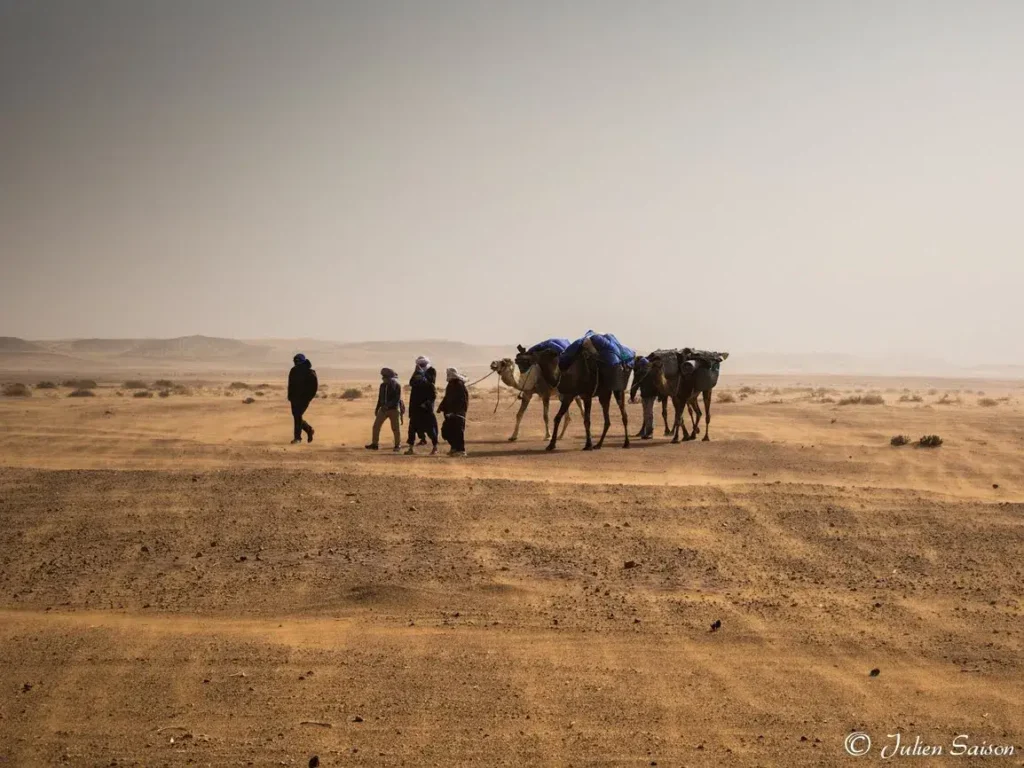
Desert ritual
Move with the quiet rhythm of the caravan as evening light crosses the dunes.
Private · 1–3 hours
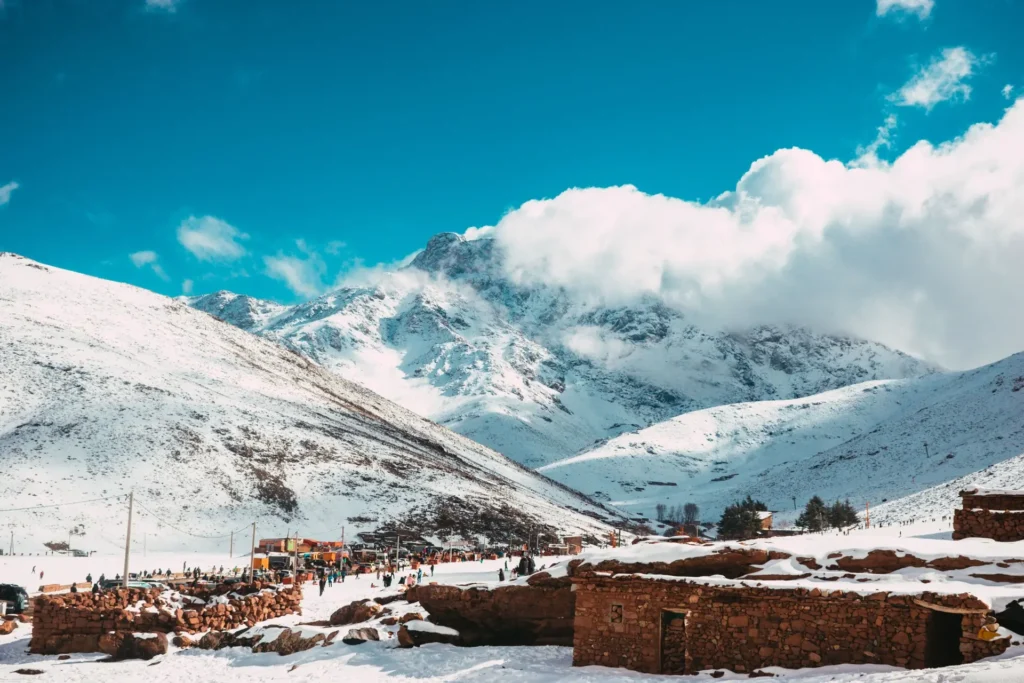
Mountain paths
Walk from village to village with an experienced local guide, choosing the distance and elevation that suit you.
Day walks or multi-day
Under the stars
Three camps of our own: 6 tents with private bathrooms at Erg Chigaga, 16 at Sunbivouac, 14 at Erg Lihoudi.
Private tent
Recommended journeys
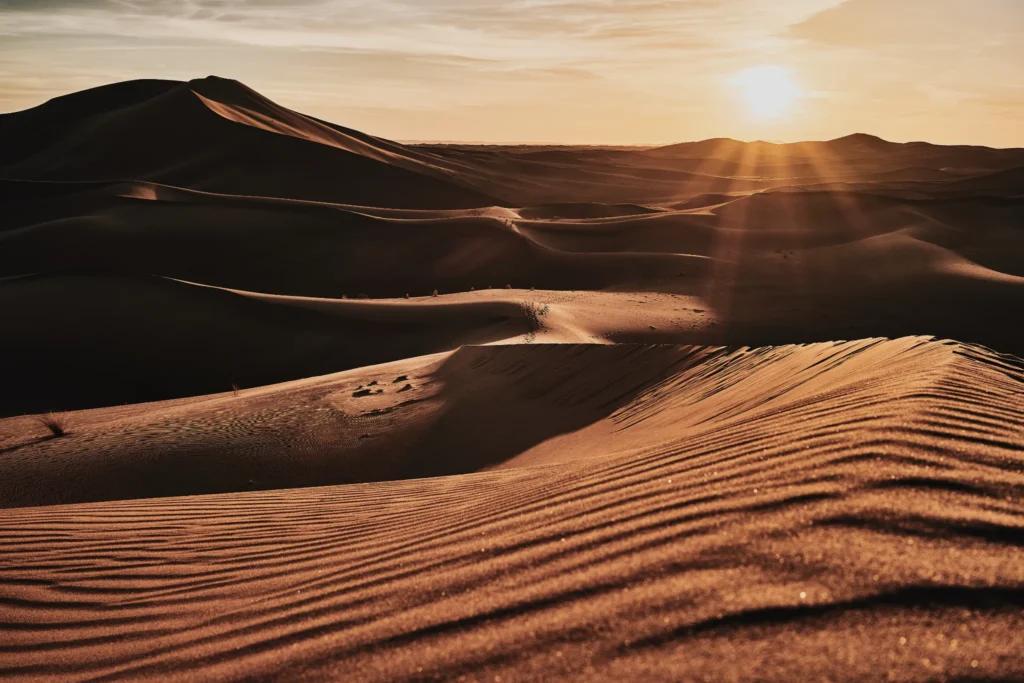
Desert
Marrakech · Erg Chigaga
Cross the High Atlas, follow the Draa Valley and spend two unhurried nights beside Morocco’s wildest dunes.
4 days · Private 4×4 · from €595
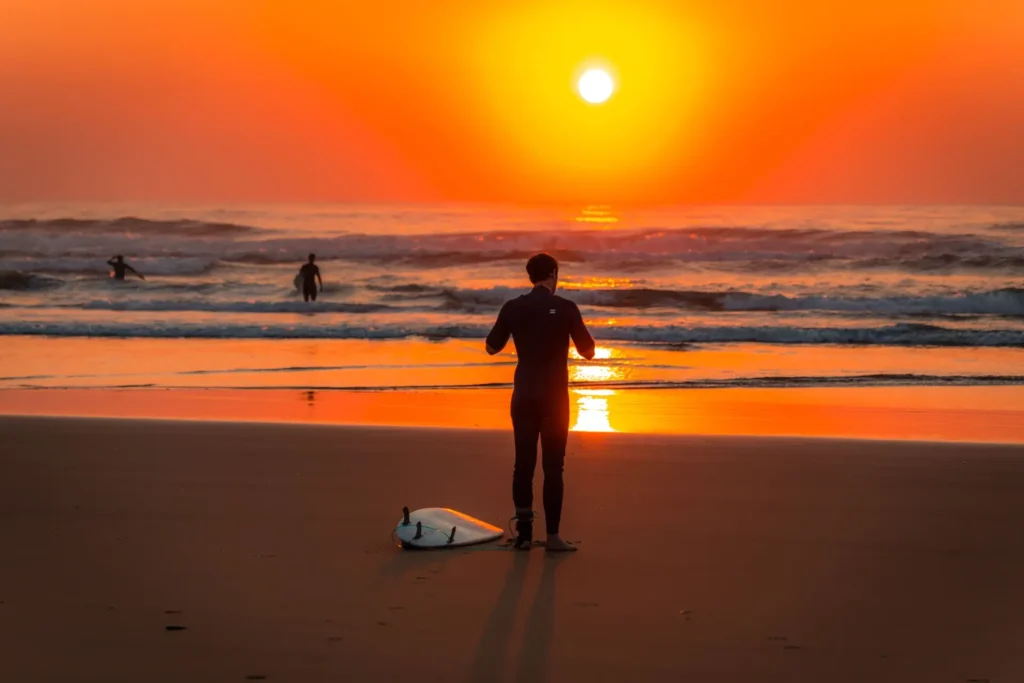
Slow travel
Marrakech · Atlantic Coast
A slower journey through craft, cuisine, design and the clear light of Morocco’s Atlantic edge.
9 days · Private journey · from €1,620
Culture
Marrakech · High Atlas
A gentle private escape into mountain scenery, Amazigh villages, local kitchens and quiet walking trails.
5 days · Culture & walking · from €840
Read next
Seasonal guide
Why cooler months suit the Sahara, what mountain weather changes and what to pack for evening temperatures.
12 min read
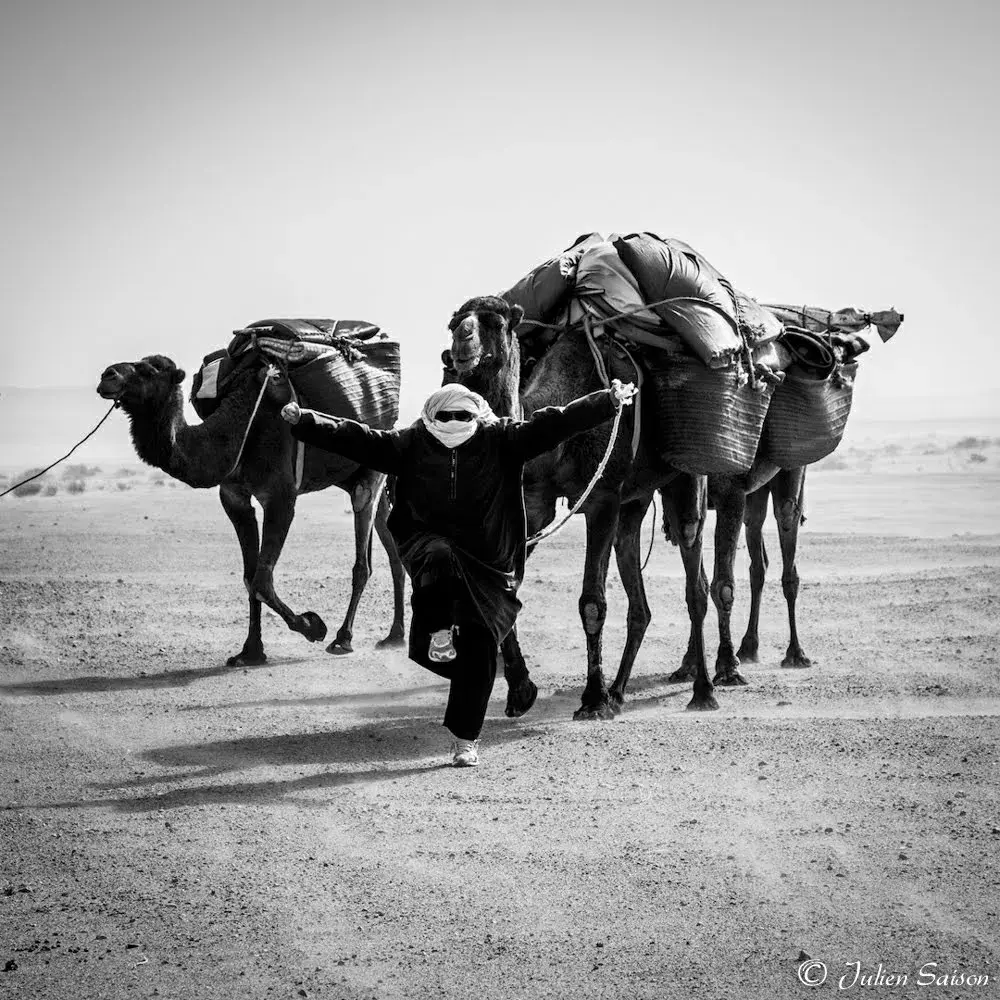
Practical advice
The useful essentials for warm days, cool nights and comfortable desert travel.
11 min read
First-time planning
Choose a realistic route for seven, ten or fourteen days without turning your holiday into a race.
14 min read
Good to know
More questions about timing a Morocco trip?
Choosing travel dates?
Start with the experience you care about most.
Tell us your dates or preferred season and the regions you want to see. We’ll explain what works comfortably and what needs adjusting.