Morocco destination guide
Draa Valley Travel Guide: Oases, Kasbahs & Routes
The Draa Valley follows a long palm oasis south from the Anti-Atlas toward Zagora and M’hamid. Earthen villages, ksour and cultivated plots make the road to the Sahara a cultural landscape rather than a simple transfer.
At a glance
Why visit Draa Valley
The Draa Valley is a route, not a single stop.
The Draa Valley is not one attraction but a long inhabited oasis system running south from the Anti-Atlas through Agdz, Zagora and toward M’hamid. Palms, gardens, irrigation channels, earthen villages and dry surrounding mountains repeatedly reshape the view as the road follows the valley.
Its architecture is often summarized as ‘kasbahs,’ but the useful distinction is between fortified residences, entire ksour, working villages and restored visitor properties. Many places remain homes or agricultural spaces, so a local guide and respectful access matter more than collecting façades from the roadside.
The valley deserves deliberate stops. A palm walk near Agdz, time around Tamnougalt or another inhabited settlement, and a southern visit around Zagora or Tamgroute reveal different parts of the story. Trying to add all of them between Marrakech and a same-day desert arrival turns the valley into windshield scenery.
Make the visit count
What is worth stopping for in the Draa Valley
Walk an inhabited palm oasis
Follow shaded paths and irrigation channels with someone who understands which routes are public and which cross working land. The walk explains water, cultivation and settlement far better than a viewpoint alone.
Learn to read earthen settlements
Visit a suitable ksar or kasbah with context about construction, maintenance and present-day use. Avoid entering homes, roofs or fragile areas without clear permission.
Use Agdz as more than a road stop
An overnight in the northern valley gives time for the palms, nearby heritage and a calmer transition after the Atlas crossing. It also prevents every meaningful visit being pushed into the hottest part of the day.
Continue south with cultural purpose
Zagora and Tamgroute can add market, pottery and manuscript context before M’hamid. Opening conditions and the appropriateness of individual visits should be checked locally rather than promised as fixed performances.
Weather and timing
When the valley and desert work well together
October–November
Warm days, softer light and agricultural activity make this a strong period for palm walks and the road south. Nights become cooler as the route approaches the desert.
December–February
Daytime walking is often comfortable, while mornings, evenings and unheated rooms can feel cold. Carry layers and confirm heating at small properties.
March–April
Cultivated areas can appear vivid against dry hills, but temperatures and wind rise. Keep longer walks earlier and protect time for pauses.
May–September
The lower valley becomes very hot. Any visit should be simplified around early movement, shade and local advice rather than attempting a full cool-season program.
Build a realistic route
How the Draa Valley fits into a southern route
Route fit
Route fit
Use at least one overnight between Ouarzazate and M’hamid if the oasis is meant to be part of the journey. Agdz suits the northern valley; Zagora or farther south works when the next stage continues to M’hamid. The Draa also anchors longer kasbah routes and southern loops, but it should not compete with Chigaga on the same overfilled day.
Accommodation
Accommodation
‘Draa Valley’ covers a large area, so choose the town first. A palm-side guesthouse near Agdz offers a different route from a Zagora hotel or a property closer to M’hamid. Confirm the exact map point, road or lane access, room heating or cooling, stairs, meal availability and whether the building is historic, newly built or restored rather than assuming from styling alone.
Travel well
What to know along the Draa Valley
- Do not enter fields, irrigation paths, homes or compounds without permission.
- Ask before photographing people, especially in working markets and villages.
- Use a local guide where settlement access or architectural history is unclear.
- Carry small cash for local purchases, but do not create pressure around photographs.
- Leave enough time between stops; the valley loses its value when treated as a continuous transfer.
Continue planning
Routes that follow the Draa Valley
Journeys that visit
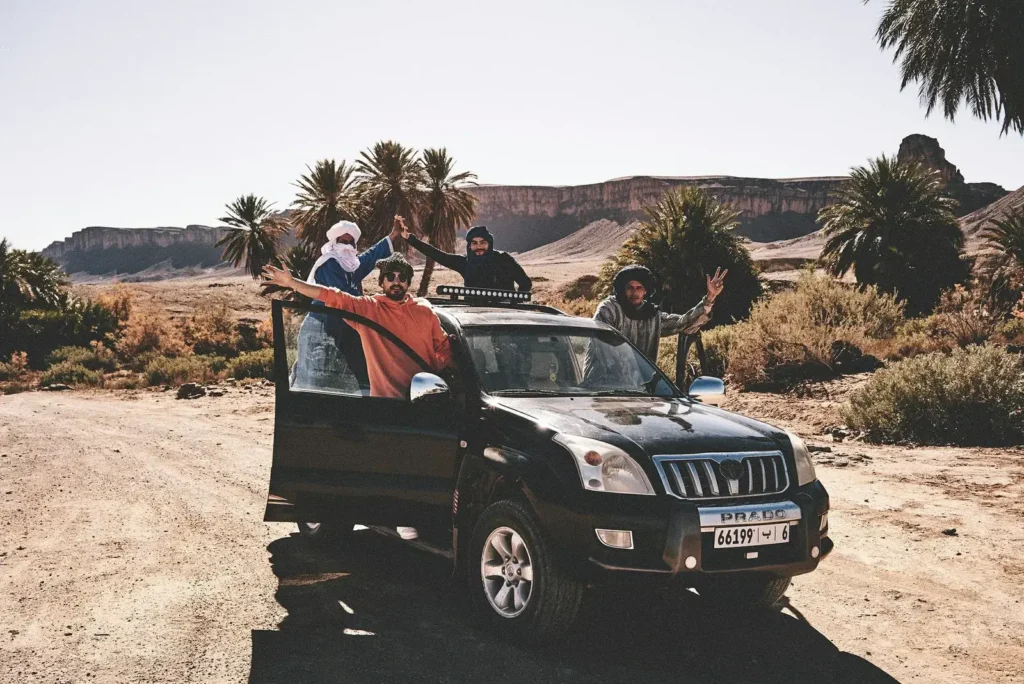
Culture
Draa Valley · Ouarzazate
Follow the old road south through earthen villages, date-palm valleys and living architecture.
7 days · Private journey · from €1,230
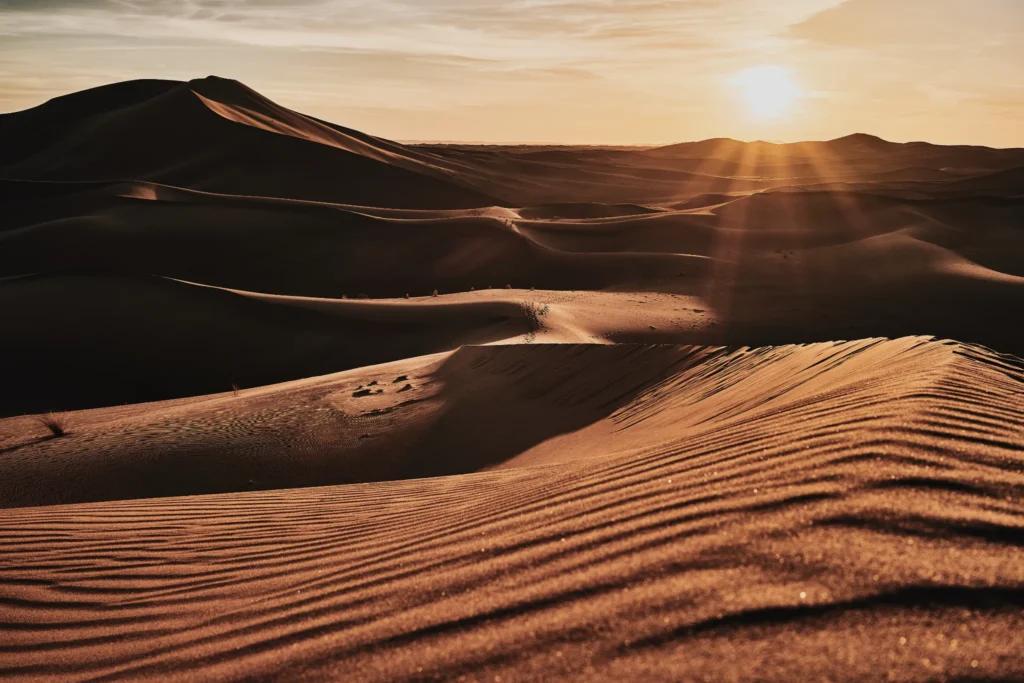
Signature
Erg Chigaga · Sahara
Reach Morocco’s wildest dunes through palm oases, nomadic encounters and nights beneath an immense sky.
6 days · From Marrakech · from €1,040
Desert
Marrakech · Erg Chigaga
Cross the High Atlas, follow the Draa Valley and spend two unhurried nights beside Morocco’s wildest dunes.
4 days · Private 4×4 · from €595
Relevant experiences
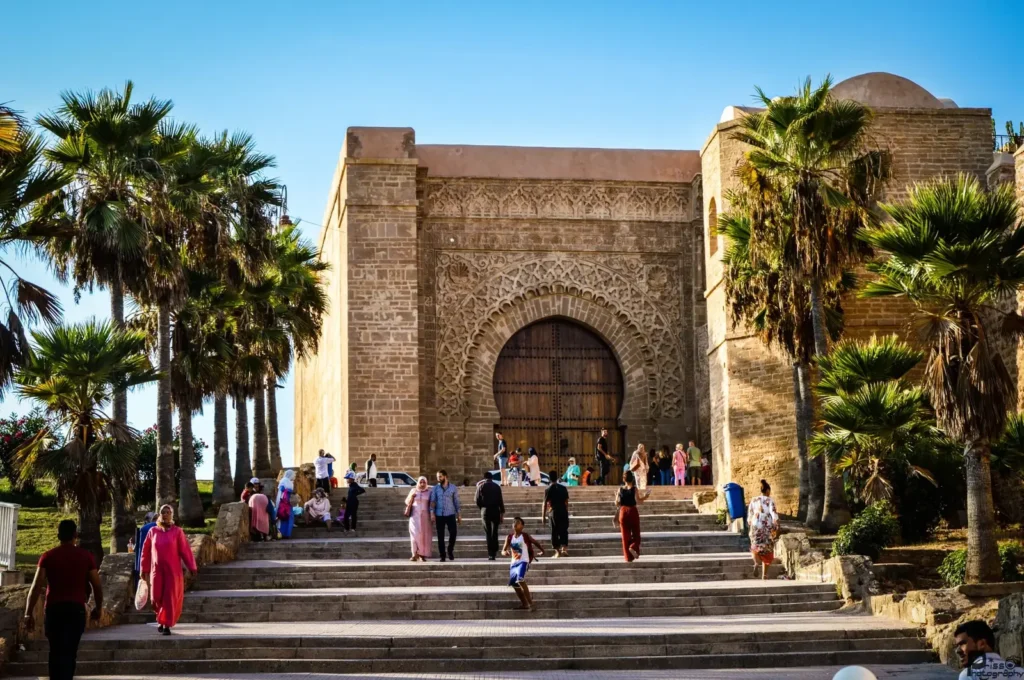
Slow discovery
Explore earthen architecture, palm groves and the stories held within old walls.
Local guide
Beyond the road
Trace dry lakes and forgotten tracks with a local driver who reads the desert.
Half or full day
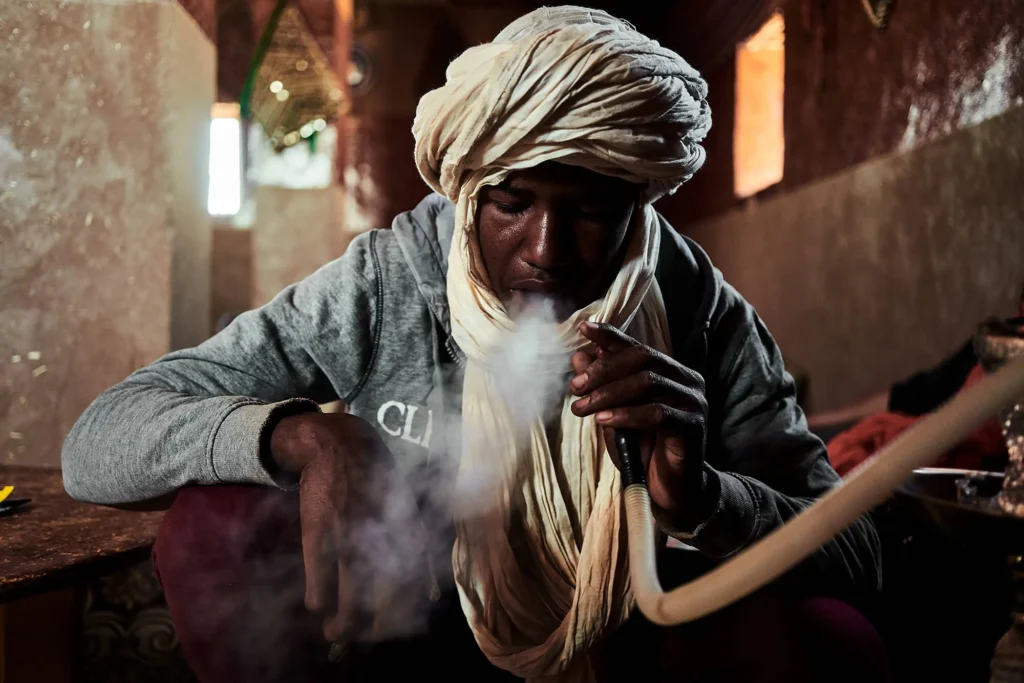
Craft & design
Meet makers in small workshops and understand the patience behind leather, weaving, pottery and woodwork.
Private local guide
Useful planning guides
Route planning
Distances, route choices and the difference between Erg Chigaga, Erg Chebbi and shorter desert escapes.
14 min read
Destination questions
Questions about the Draa Valley
How many nights does the Draa Valley need?
One night creates a useful introduction; two or three allow separate northern and southern stops without combining every visit with a long drive.
Where should I stay in the Draa Valley?
Choose according to the next route: Agdz for the northern oasis and Ouarzazate connection, Zagora for the middle valley, or farther south before M’hamid and Chigaga.
Can I visit the Draa Valley from Marrakech in one day?
A very long road day can reach part of it, but it does not allow a meaningful valley visit. An overnight south of the Atlas is the practical minimum.
What is the difference between a kasbah and a ksar?
A kasbah generally refers to a fortified residence, while a ksar is a fortified village. Local history and usage can be more nuanced, which is why informed guiding is valuable.
Following the road south?
Give the Draa Valley enough time.
Tell us how many days you have before the desert. We’ll suggest the stops that fit instead of filling every hour.