Travel guide
Morocco Travel Essentials: Money, Transport, Clothing and Etiquette
Prepare for Morocco with practical decisions rather than a list of stereotypes. Money access, road time, clothing, connectivity, food, photography and current entry requirements all deserve separate checks.
The short answer
Carry a mix of payment methods and some Moroccan dirhams, dress for climate and context, allow realistic road time, ask before photographing people and verify current entry and health rules with official authorities before departure. Remote areas require more advance planning than cities.
Entry, documents and current rules
Passport, visa and health requirements depend on nationality and can change. Verify them with the relevant Moroccan diplomatic authority and your airline rather than relying on an old blog post.
Keep digital and paper access to insurance, bookings and emergency contacts. Sahara Explore does not replace official immigration, medical or insurance advice.
Money and payments
The Moroccan dirham is the local currency. Cards are common in many hotels and city businesses, while cash remains useful in small shops, villages, tips and remote areas.
Tell your bank before travel when required and avoid carrying all money in one place. Ask before assuming a camp or rural stay accepts cards.
Phones and connectivity
Coverage is generally useful on principal roads and in cities but can weaken in mountains and remote desert terrain. Download essential maps and documents before leaving connected areas.
A local SIM or compatible eSIM can help, but availability and registration rules should be checked at travel time.
Clothing and social context
Breathable, modest clothing works across medinas, villages and family-hosted settings. Add layers for mountains and desert nights.
Religious spaces, homes and rural communities may call for more coverage. Follow local guidance and ask when unsure.
Food, water and dietary needs
Share allergies and dietary needs in writing before remote travel. A simple preference is easier to manage than a severe cross-contamination risk, which needs specific discussion.
Use bottled or properly treated water according to current advice, wash hands and carry essential personal medication.
Transport and road time
Mountain bends, village traffic, planned stops and desert tracks make map estimates unreliable. A private route should distinguish driving time from total day length.
Do not schedule tight flights after a Sahara return or winter pass crossing.
Photography, bargaining and guides
Ask before photographing people, working spaces and homes. A market transaction does not automatically include permission for a portrait.
Agree interests and shopping boundaries with guides before a medina visit. Bargaining can be polite without becoming confrontational.
Local planning notes
- Verify current formalities officially.
- Send dietary and medical needs before confirmation.
- Keep small cash available.
- Download documents before remote stages.
Practical questions before travelling in Morocco
Can I pay by card everywhere?
No. Carry cash for smaller businesses and remote areas.
What should I wear?
Comfortable, breathable and relatively modest clothing is versatile; add layers for altitude and desert nights.
Is Wi-Fi reliable?
It is common in cities and many stays, but quality varies and remote coverage can be limited.
Do I need a guide?
Not everywhere. A good guide adds context in complex medinas, heritage sites and remote areas.
Sources and review notes
This guide combines Sahara Explore’s route-planning experience with published national tourism information.
Reviewed by
Sahara Explore local team
Route planners based in M’hamid El Ghizlane, with a focus on realistic southern Morocco and Sahara logistics. Reviewed 11 August 2026.
Use this answer in the route
Use the essentials once the route is clear.
Related destinations
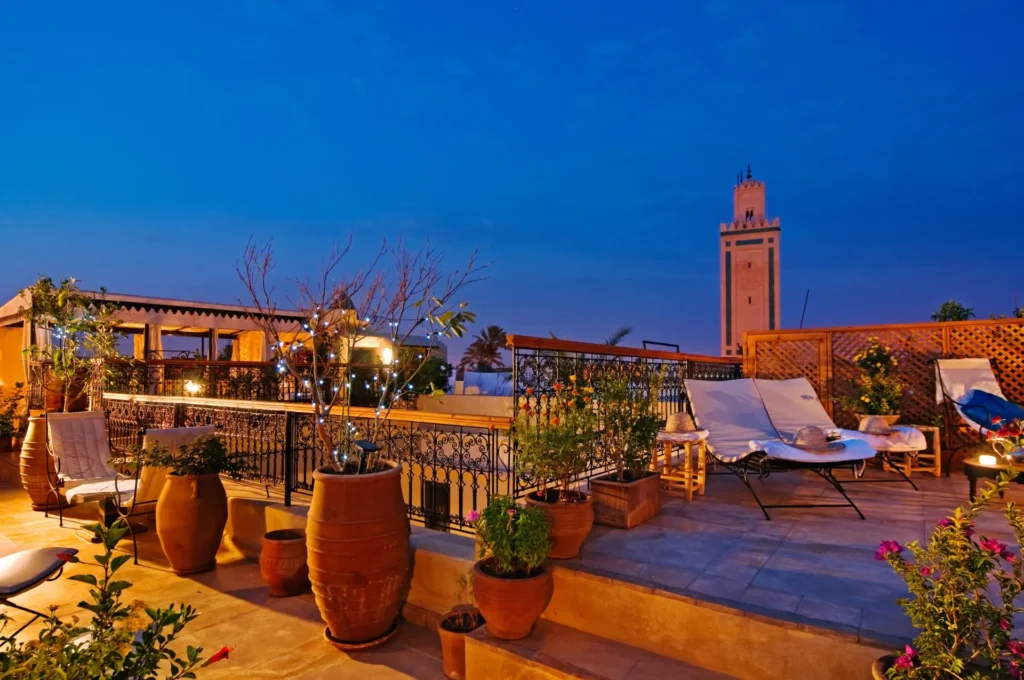
The red city
Courtyards, gardens, artisans and culinary energy behind ochre walls.
Central Morocco
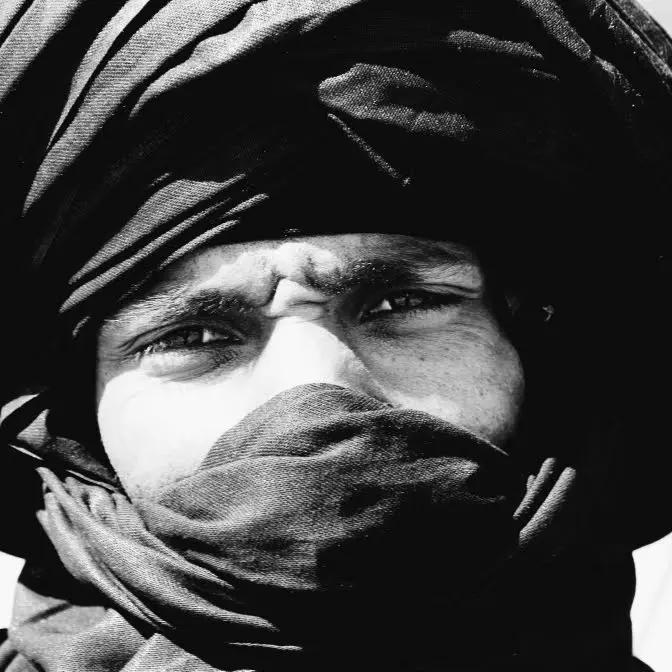
Gateway to the desert
A frontier oasis where the paved road ends and Saharan journeys begin.
Zagora Province
Recommended experiences
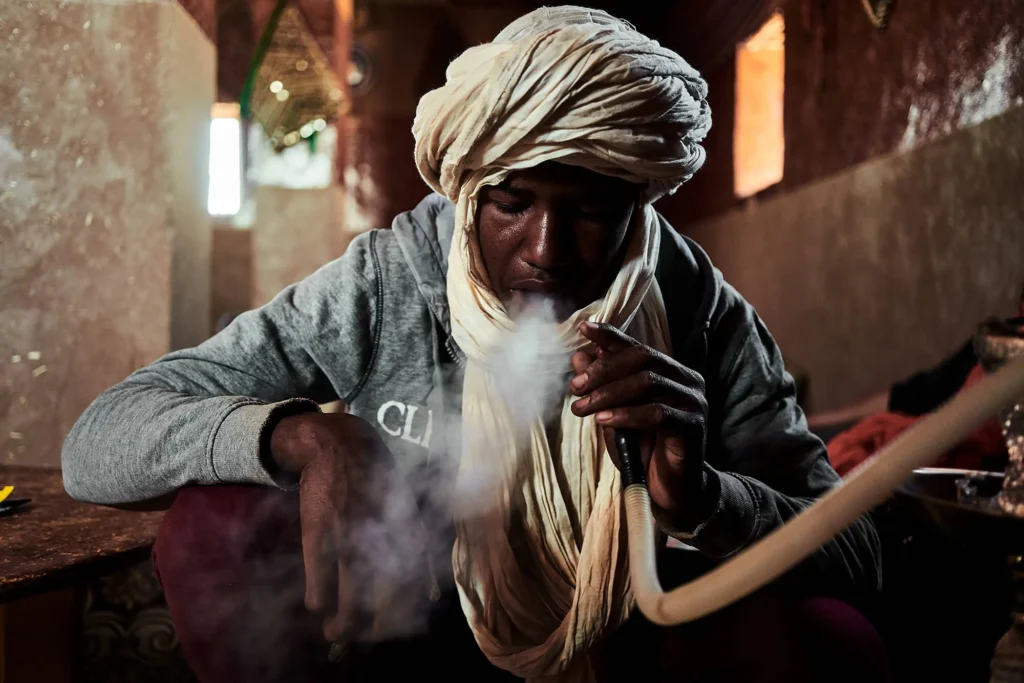
Craft & design
Meet makers in small workshops and understand the patience behind leather, weaving, pottery and woodwork.
Private local guide
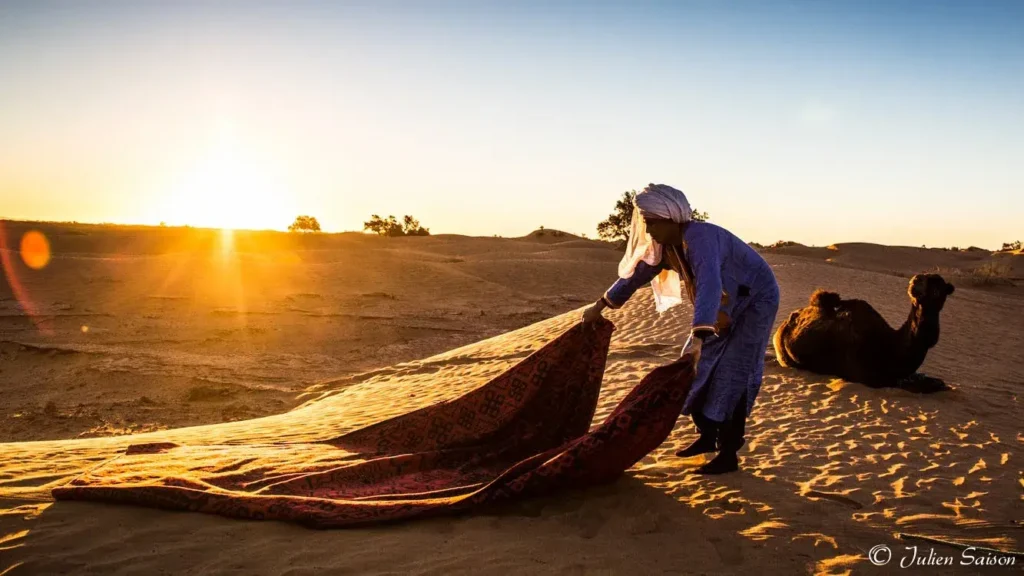
Food & culture
Shop, prepare and share regional dishes with a local cook in a home, riad or garden setting.
Half day
Steam & ritual
Experience Morocco’s bathing tradition in a carefully chosen hammam, with clear guidance on what to expect.
Private or traditional
Recommended journeys
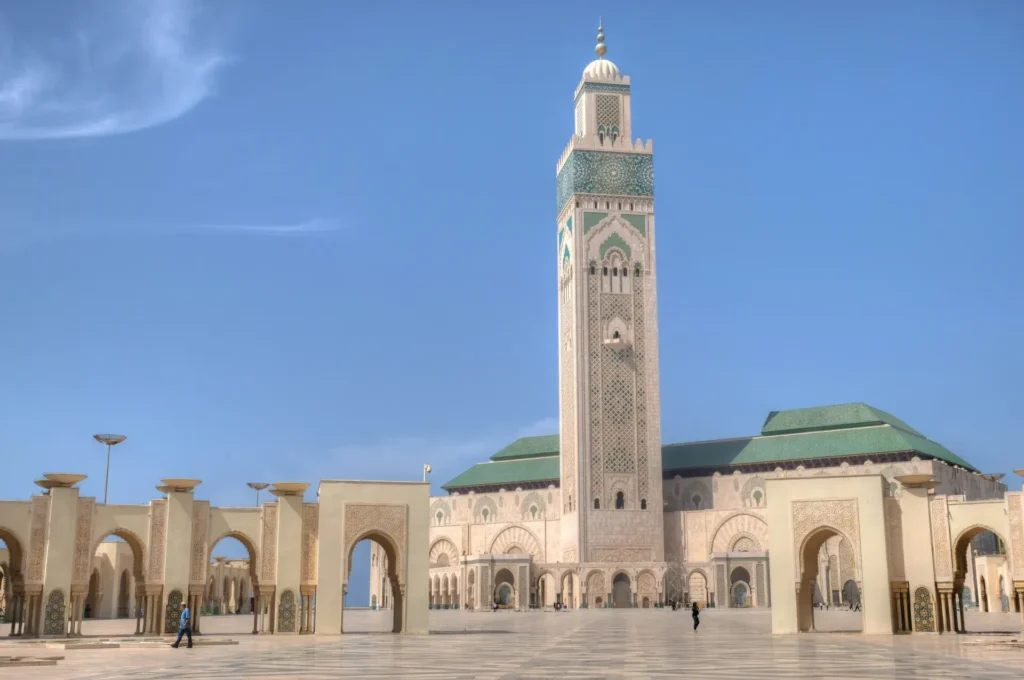
Grand tour
Morocco · Grand Journey
Imperial cities, mountain villages, the Sahara and coast woven into one considered private route.
14 days · Tailor-made · from €2,600
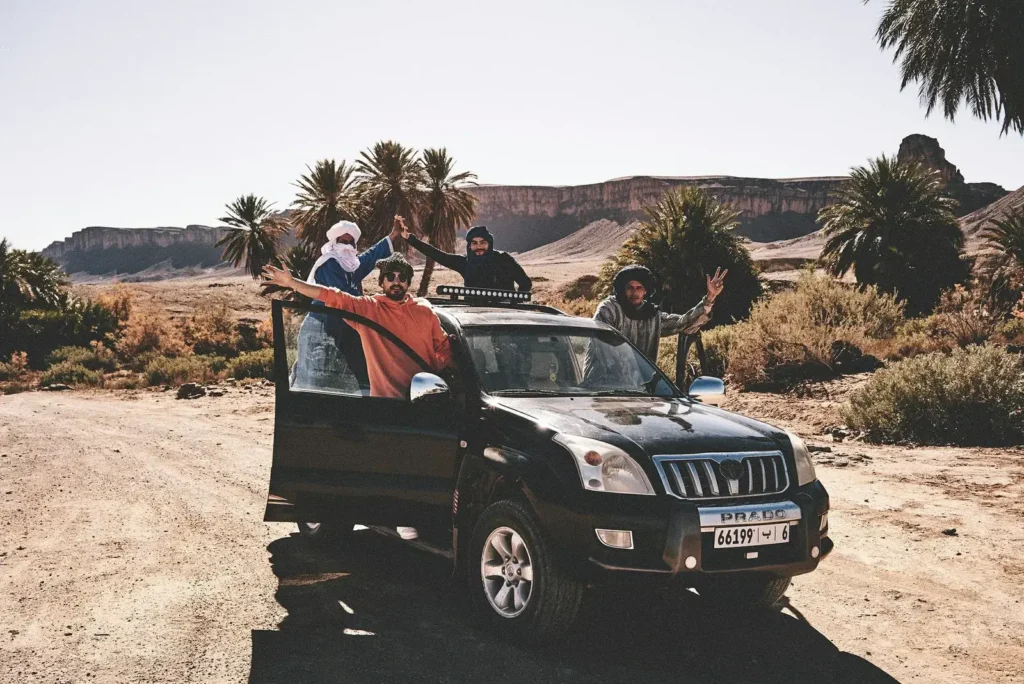
Culture
Draa Valley · Ouarzazate
Follow the old road south through earthen villages, date-palm valleys and living architecture.
7 days · Private journey · from €1,230
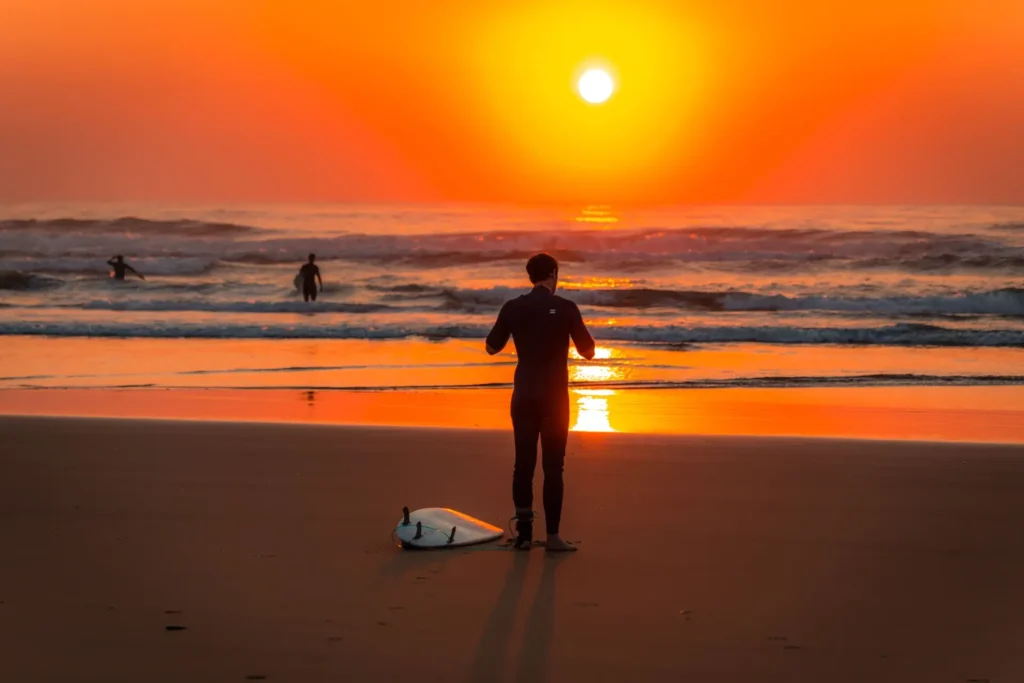
Slow travel
Marrakech · Atlantic Coast
A slower journey through craft, cuisine, design and the clear light of Morocco’s Atlantic edge.
9 days · Private journey · from €1,620
Read next
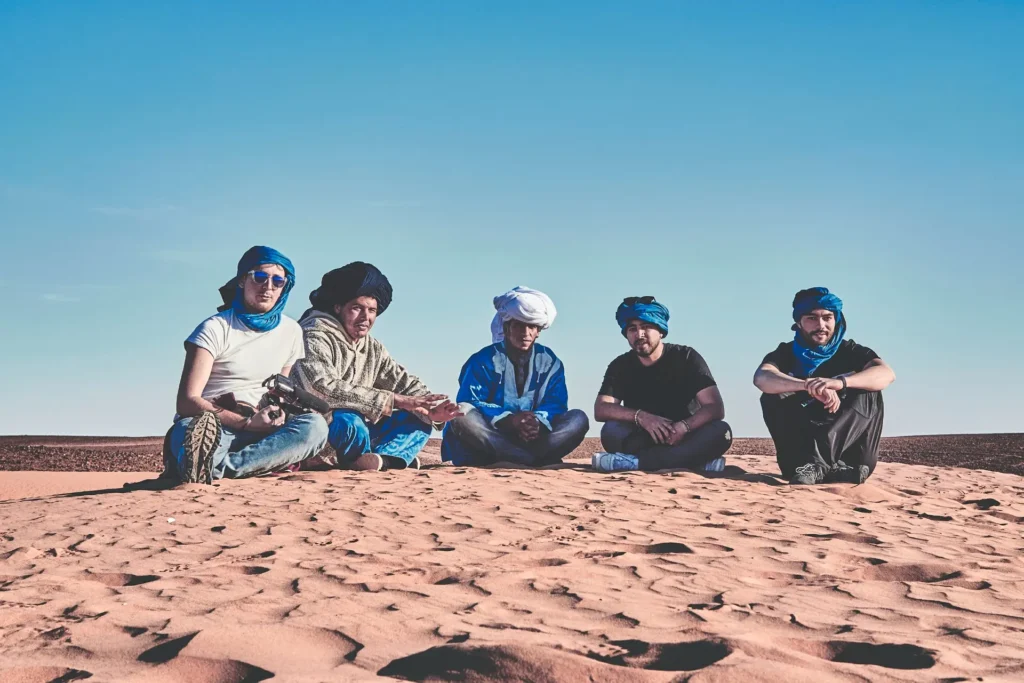
Culture
Practical ways to dress, photograph, bargain, visit homes and connect with people thoughtfully.
13 min read
First-time planning
Choose a realistic route for seven, ten or fourteen days without turning your holiday into a race.
14 min read
Practical advice
The useful essentials for warm days, cool nights and comfortable desert travel.
11 min read
Good to know
More practical questions before travelling in Morocco?
Preparing for Morocco?
Confirm the route, then handle the practical details.
Tell us when and where you travel. We’ll flag the transport, clothing, money and communication details that matter for that route.