Desert food
Sahara Picnic and Sand Bread Experience
Spend part of a desert day around a simple outdoor meal and, when a skilled local host and suitable conditions are confirmed, see traditional sand bread prepared safely.
At a glance
Why it matters
A desert meal is shaped by shade, water, wind and the host.
Spend part of a desert day around a simple outdoor meal and, when a skilled local host and suitable conditions are confirmed, see traditional sand bread prepared safely.
Why choose it
Why a simple outdoor meal can anchor the day.
What makes it worthwhile
Pause beneath tamarisk or another suitable sheltered place selected locally.
Local context
Understand how water, fuel and food shape travel in the desert.
A realistic pace
Watch or assist only in safe preparation steps invited by the host.
How it fits your route
Build the meal into a camel or 4×4 day rather than staging an isolated demonstration.
Local perspective
Confirm the menu and conditions without forcing a demonstration.
What changes the experience
Start with the conditions that actually change the activity.
Food is part of desert logistics
Shade, water, fuel, wind and waste matter as much as the menu. The host selects a place where the group can pause without damaging vegetation or leaving food and packaging behind.
Keep the method truthful
Sand bread is a practiced technique, not a guaranteed show. When conditions are unsuitable, a simple picnic and tea remain a worthwhile desert day rather than forcing fire or food preparation for a photograph.
Experience flow
What usually happens on the day.
Arrival and briefing
Travel to the agreed picnic area with water and meal supplies.
Begin the activity
Prepare tea and food while the host explains the process.
Main experience
Bake sand bread only when hygiene, fuel and conditions are suitable.
Finish and continue
Eat together, extinguish the fire fully and remove all waste.
Plan well
Details to confirm before you book.
Suitability
Food allergies and dietary needs must be disclosed in advance.
Season and timing
Strong wind, fire restrictions or extreme heat can change the plan.
What is confirmed
Menu, water, seating, shade and bread preparation must be confirmed.
Respectful participation
The desert is not a disposable dining room; every item must leave with the group.
What to bring
Bring what the day actually needs.
- Reusable water bottle
- Sun protection
- Hand sanitiser
- A warm layer outside summer
Participate responsibly
Use existing fire places where appropriate, avoid cutting living wood, minimize packaging and leave the site cleaner than it was found.
Experience questions
Questions to ask before confirming
Is sand bread always prepared?
No. It depends on the host, weather, fire safety and the confirmed program.
Is the bread cooked directly in sand?
Traditional methods use hot sand and embers, followed by careful cleaning; the exact process is explained by the host.
Can vegetarian food be arranged?
Often, when requested before the menu is confirmed.
Is seating provided?
The proposal should state whether the meal uses mats, low seating or another setup.
Continue planning
Routes where a desert picnic fits naturally.
Where to experience it
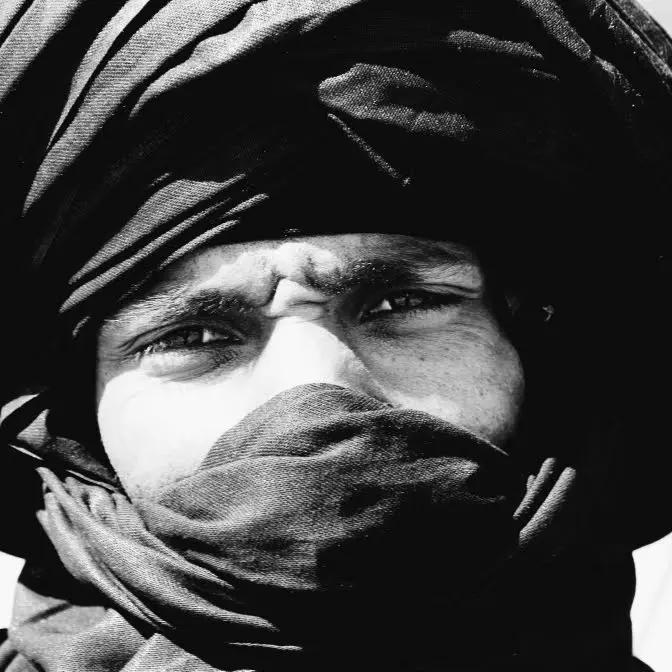
Gateway to the desert
A frontier oasis where the paved road ends and Saharan journeys begin.
Zagora Province
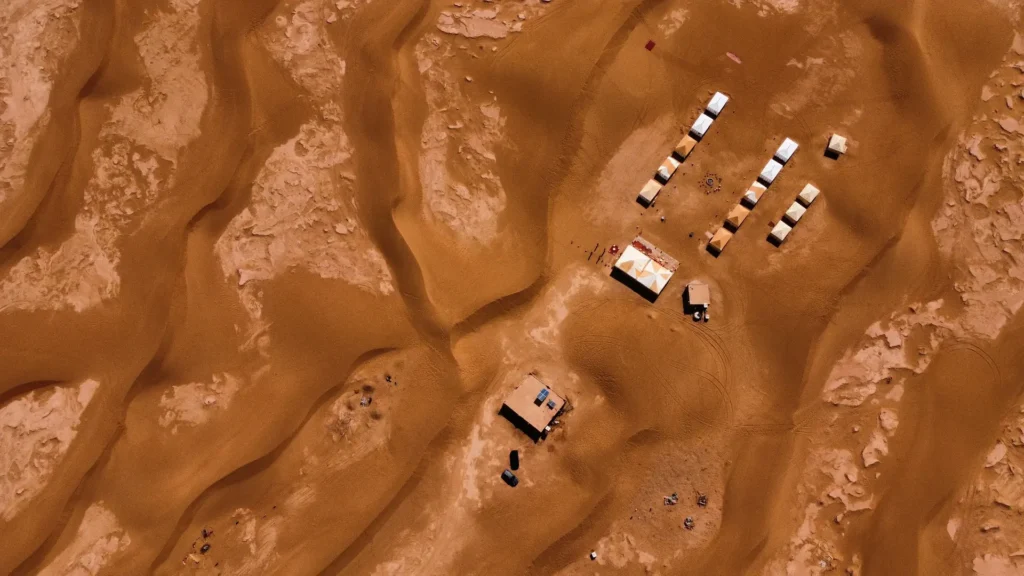
The far Sahara
Vast, untamed dunes reached only by 4×4—the Sahara at its most elemental.
Best October–April
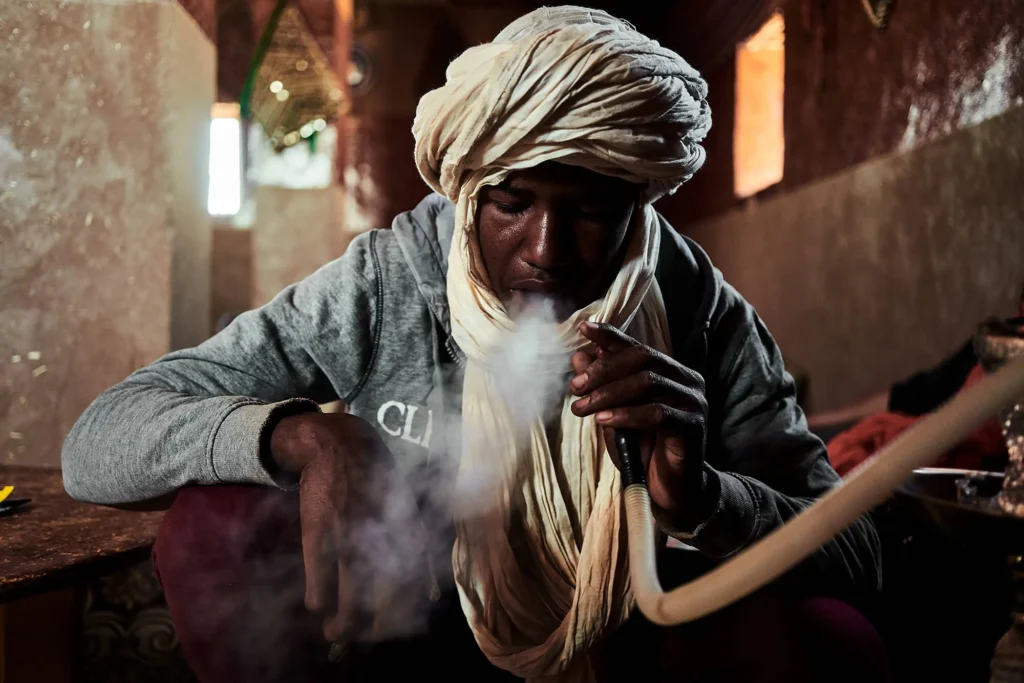
Oases & earthen villages
A green ribbon of palms, kasbahs and ancient caravan stories running south.
Southern Morocco
Journeys that fit
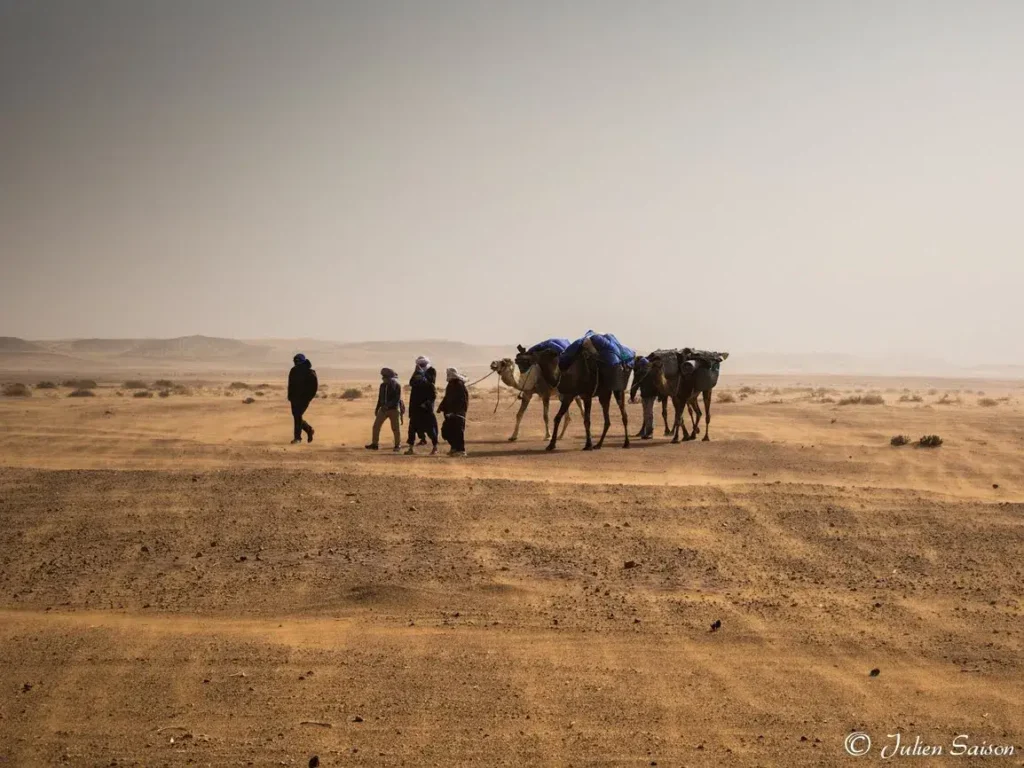
Adventure
M’hamid · Erg Chigaga
Walk with a small caravan through tamarisk shade, open hammada and rolling dunes, camping far from the road.
4 days · Guided trek · from €650
Short escape
M’hamid · Erg Lihoudi
A beautifully paced introduction to the Sahara with camel trekking, campfire music and dune silence.
3 days · From Marrakech · from €450
Signature
Erg Chigaga · Sahara
Reach Morocco’s wildest dunes through palm oases, nomadic encounters and nights beneath an immense sky.
6 days · From Marrakech · from €1,040
Useful planning guides
Tailor-made in Morocco
Add it only where it fits the route.
Tell us your dates, group and any health, mobility or dietary needs. We’ll confirm the exact place, timing, provider and inclusions before you book.
Interested in a desert picnic?
Plan the meal around the day’s real conditions.
Tell us the route and dietary needs. We’ll confirm the host, menu, shade, water and whether sand bread is appropriate.