After dark
Sahara Stargazing in Morocco
Plan a simple, low-light desert night experience shaped by moon phase, weather, season and camp lighting—without promising perfect skies or specialist astronomy equipment.
At a glance
Why it matters
Stargazing needs darkness, time and realistic weather.
The Sahara can offer broad horizons and low artificial light, but visibility still depends on cloud, dust, wind, moonlight and the camp’s lighting practice.
A hosted sky talk may identify major constellations and seasonal features. Telescope use should be claimed only when specifically arranged.
Why choose it
What makes a desert night worth slowing down for.
Dark adaptation
Spend time away from bright lamps and screens so more stars become visible.
Seasonal sky
What is visible changes with date, hour and latitude.
Desert quiet
A respectful low-noise setting is as important as the view.
Accessible wonder
Basic observation needs curiosity, not astronomy knowledge.
Local perspective
Protect a dark hour without promising a perfect sky.
What changes the experience
Start with the conditions that actually change the activity.
Plan around the moon
A moonless night reveals more faint stars; a bright moon gives the dunes shape and can be beautiful in a different way. Choose according to the experience you want instead of treating one condition as a failure.
Protect dark adaptation
Bright phones, camp floodlights and vehicle lamps reduce what everyone can see. Allow at least fifteen to twenty minutes with minimal light before judging sky quality.
Experience flow
What usually happens on the day.
Check conditions
The host chooses a safe area away from vehicle movement and unnecessary light.
Let eyes adjust
Reduce phone brightness and wait before trying to identify features.
Observe and discuss
Use naked-eye guidance or confirmed equipment only.
Return safely
Follow the host back; dunes and camp ropes are harder to see at night.
Plan well
Details to confirm before you book.
Moon phase
A bright moon reduces faint-star visibility but can illuminate the dunes beautifully.
Cold
Desert temperature can fall quickly, especially in winter.
Equipment
Do not assume a telescope, astrophotography support or expert astronomer unless named.
Children
Keep sessions short, warm and away from vehicle routes or steep dune edges.
What to bring
Bring what the day actually needs.
- Warm layer
- Closed shoes
- Dim red-light mode if available
- Tripod only if you know how to use it without disturbing others
Participate responsibly
Protect darkness and quiet, avoid lasers unless used safely by a qualified host, and do not leave the camp area alone.
Experience questions
Questions to ask before confirming
Will we see the Milky Way?
It depends on season, time, moon and atmospheric conditions; it cannot be guaranteed.
Is a telescope included?
Only if the proposal specifically states it.
When is the sky darkest?
Around a new moon, although weather and dust remain important.
Can phones photograph the stars?
Some can in night mode, but results depend on device, stability and conditions.
Continue planning
Routes with enough time for the night sky.
Where to experience it
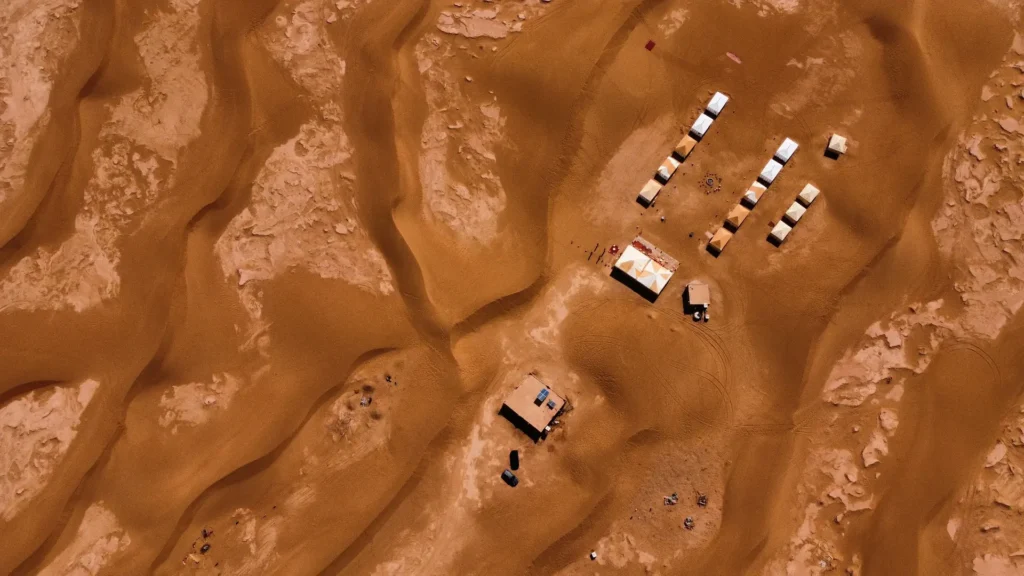
The far Sahara
Vast, untamed dunes reached only by 4×4—the Sahara at its most elemental.
Best October–April
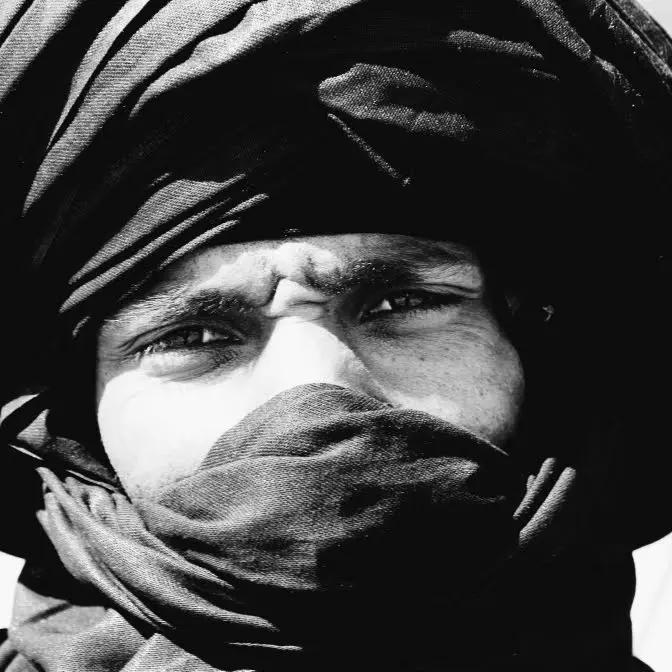
Gateway to the desert
A frontier oasis where the paved road ends and Saharan journeys begin.
Zagora Province
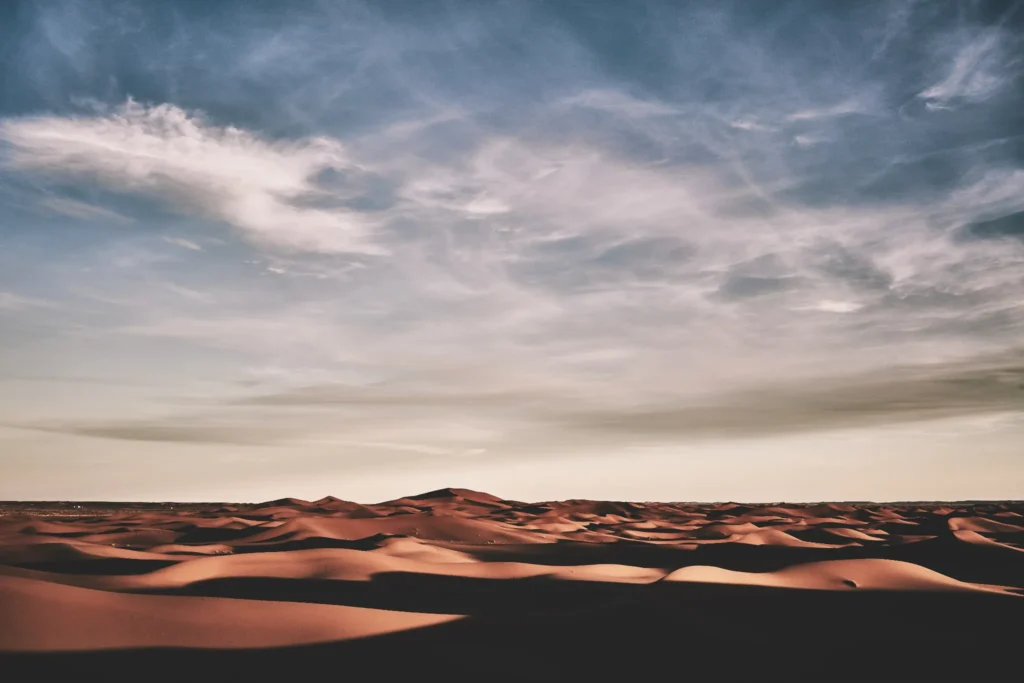
Golden dunes
Morocco’s most iconic dune landscape, with sunrise camel rides and accessible desert camps.
Eastern Sahara
Journeys that fit
Short escape
M’hamid · Erg Lihoudi
A beautifully paced introduction to the Sahara with camel trekking, campfire music and dune silence.
3 days · From Marrakech · from €450
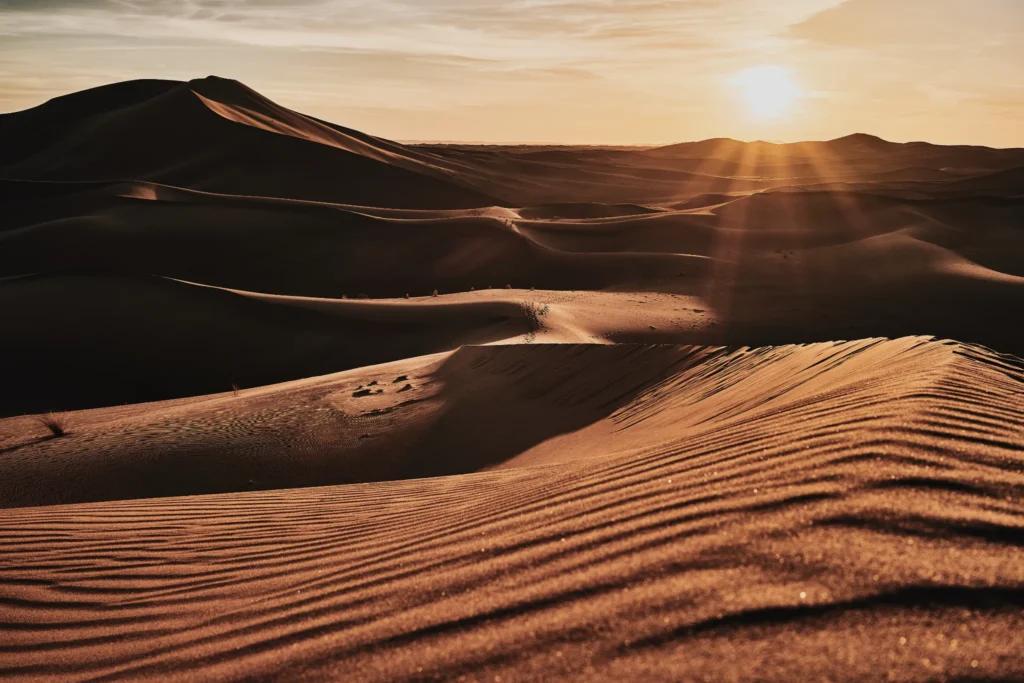
Desert
Marrakech · Erg Chigaga
Cross the High Atlas, follow the Draa Valley and spend two unhurried nights beside Morocco’s wildest dunes.
4 days · Private 4×4 · from €595
Luxury
Morocco · Honeymoon
Romantic riads, a private Sahara camp and slow Atlantic days, connected by a journey designed entirely for two.
11 days · Luxury private tour · from €2,010
Useful planning guides
Seasonal guide
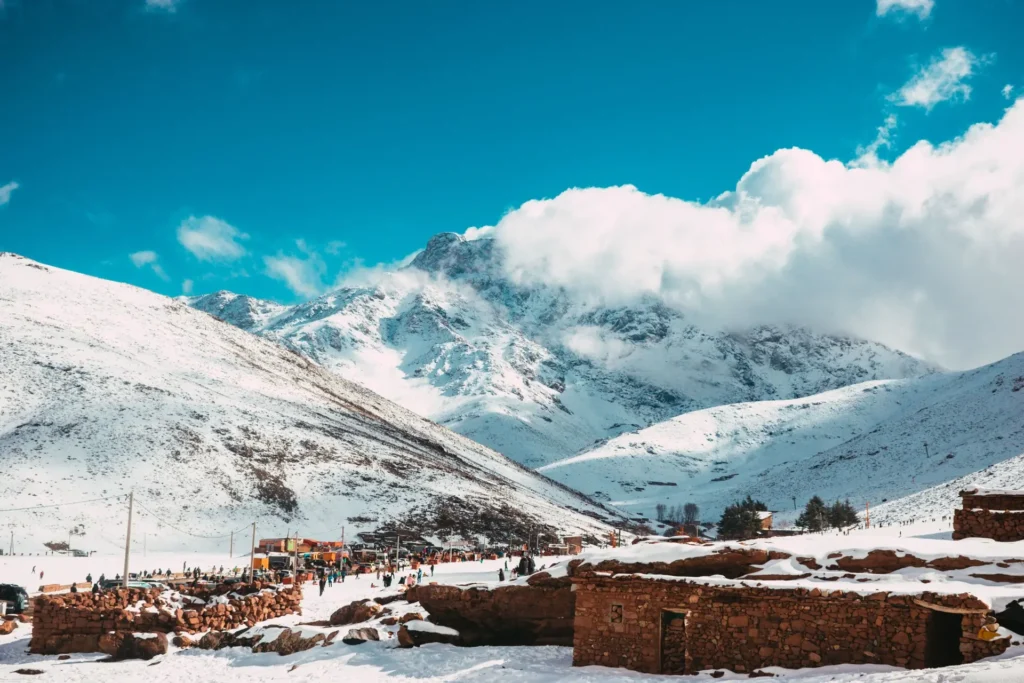
Why cooler months suit the Sahara, what mountain weather changes and what to pack for evening temperatures.
12 min read
Tailor-made in Morocco
Add it only where it fits the route.
Tell us your dates, group and any health, mobility or dietary needs. We’ll confirm the exact place, timing, provider and inclusions before you book.
Hoping to see the desert sky?
Plan for darkness, then let the weather decide.
Tell us your dates and desert area. We’ll explain moonlight, timing and whether guided stargazing is available.